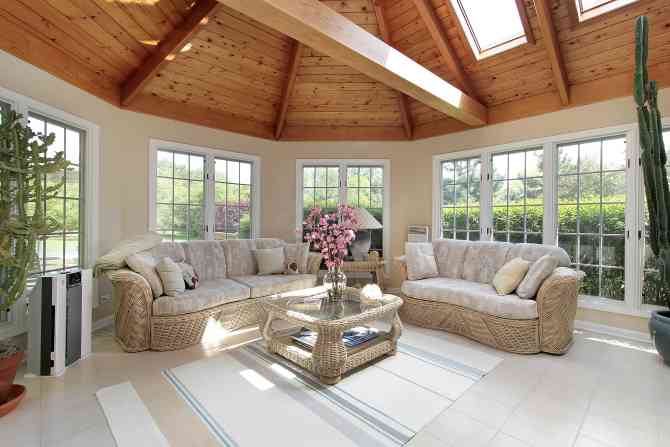
There is a particular kind of room that stops you the moment you walk into it.
Nothing is shouting for your attention. There are no bold feature walls, no statement chandeliers, no deliberately mismatched patterns competing for dominance. And yet, the space feels deeply comfortable and quietly expensive.
That is quiet luxury in practice, and it has become one of the most influential ideas in the Birmingham property investments market over the past few years.
The term originated in the fashion industry, where it came to represent a style built on extreme quality, discretion, and sophistication, one that deliberately abandoned visible branding and ostentation in favour of clothing that communicates through craftsmanship alone.
Interior design borrowed the concept readily, because the underlying logic translates perfectly. In a home, quiet luxury means choosing things that are genuinely well-made without relying on anything that draws attention to make the point.
What Quiet Luxury Is Not
Before exploring how to achieve it, it helps to be clear about what it is not. Quiet luxury is not minimalism, though the two share some visual territory.
Minimalism is defined by reduction and restraint, often to the point of austerity. Quiet luxury, by contrast, is warm and layered. There is texture, depth, and a sense of ease. A room can be full and still feel calm.
It is also not beige for its own sake. The palette associated with this aesthetic has been widely reduced to a shorthand of taupes, creams, and warm neutrals, and while those tones do appear frequently, the reason they work is not the colour itself but what it allows the materials and forms in the room to do.
A wall painted in a well-chosen warm white makes everything else in the space more visible, which only works in your favour if what you have chosen to place there is genuinely worth looking at.
Finally, quiet luxury is not about spending enormous sums of money. It is about spending thoughtfully. The approach prioritises a few genuinely excellent pieces over many mediocre ones, and it has more to do with editing and restraint than with budget.
The Role of Materials
If there is one place where quiet luxury is made or lost, it is in the choice of finishes. Natural materials such as linen, wool, stone, solid timber, leather, and aged brass have a depth of character that reads as quality without needing to announce itself.
Upholstery in a tightly woven natural fabric will always look more considered than the same silhouette covered in something synthetic. A stone or solid wood worktop in a kitchen shifts the entire register of the room. Even small choices, such as replacing plastic light switches with brushed metal or ceramic alternatives, accumulate into a space that feels more resolved.
Colour and Tone
The palette of quiet luxury is warm and restrained, but it should not be flat. The most successful versions of this aesthetic use tone-on-tone layering, where similar colours in slightly different shades and finishes are placed together to create depth without contrast. A room might move from a warm off-white on the walls to a deeper greige on the sofa, with a soft camel throw and natural oak floors, and the effect is cohesive without being monotonous.
Deeper tones work equally well when handled carefully. A room in deep sage, soft charcoal, or muted terracotta can still read as quiet luxury if the materials are right and the palette is kept disciplined.
Furniture and Form
Quiet luxury furniture tends to have clean lines and generous proportions, but not in a way that reads as stark or cold. Sofas are deep and well-padded. Dining tables are solid and simple. There is a preference for pieces that look as though they belong in the space rather than pieces that are trying to make an impression.
Avoid anything that feels overly ornate or trend-driven. Furniture that was fashionable three years ago and already looks dated is the opposite of what this aesthetic is trying to achieve. Instead, look for pieces with a quiet timelessness: shapes that could have existed twenty years ago and will still feel right twenty years from now.
Craftsmanship is worth paying attention to here. A well-made sofa with a solid frame, quality springs, and properly finished upholstery will look and feel different from a budget alternative, and that difference will become more visible over time. Where possible, buying fewer pieces of better quality is the right approach.
Lighting
Lighting is one of the most powerful tools in creating an interior that feels refined and calm, and it is frequently underestimated. The goal is to layer light sources at different heights and intensities so that the room can be adjusted depending on the time of day and the mood required. Overhead lighting alone produces a flat, functional result that works against the warmth this aesthetic depends on.
Table lamps and floor lamps are essential. They create pools of illumination that make a space feel inhabited and intimate. Wall lights add another layer without taking up floor space. Candles, used thoughtfully, introduce a quality of luminosity that no electric source can fully replicate.
Bringing It Together on a Realistic Budget
The principles of quiet luxury are accessible at almost any budget, because the approach is ultimately about choices rather than expenditure. Reupholstering an existing sofa in a quality linen fabric will produce better results than buying a new sofa in a cheap synthetic. Replacing inexpensive light fittings with better alternatives makes an immediate and lasting difference. Clearing surfaces and editing down what is on display costs nothing at all.
Focus investment on the things you touch and see most. Bedding in a natural fibre, a well-made rug, and a few pieces of furniture that are genuinely comfortable and well-constructed will do more for the overall feeling of a room than a larger number of cheaper alternatives.
Take time with paint choices. A well-chosen neutral from a considered paint range, applied well, will transform a space more reliably than almost any other single change. Test colours in the actual room at different times of day before committing, and err on the side of warmth.
Quiet luxury, at its core, is about the confidence to do less and do it well. In a time that often rewards the loud and the immediate, there is something genuinely appealing about a home that holds its quality lightly and asks nothing more of the people inside it than that they feel entirely at ease.