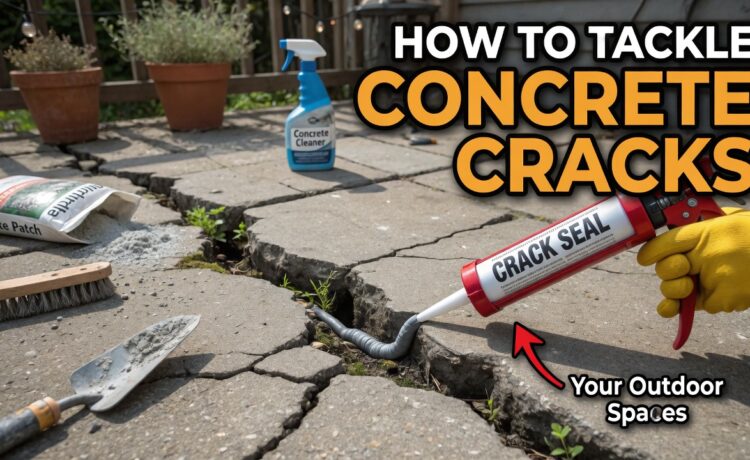
Concrete outdoor spaces appear easy to maintain. But even the most perfect patio block may crack over time. The good news is that most cracks can be addressed before they become a costly problem.
These small cracks can begin to grow silently after heating or rain. An easy concrete repair plan will not just protect the surface. It will keep your outdoor area safe, too. Early action will also prevent water from seeping in. Low-maintenance solutions for concrete cracks in an outside area comprise:
Understand the Crack First
However, before you do any repairs, inspect the crack. See if it’s narrow and thin. This doesn’t just help you select the ideal solution. It also saves time on incorrect applications.
Hairline cracks are typically cosmetic and easier to treat. If it’s wider, the cracks may have allowed water in. Professional treatment may be required if raised edges are noted.
Thoroughly Clear Up the Area
Loose concrete inside a crack will not seal well. Clear the gap with a stiff brush or vacuum. Wash and dry the area thoroughly before applying any fillers.
This move might be minor. But it matters in the end result. Be sure to offer cement support. Otherwise, it may be washed away during rainfall.
Repair Carefully
Pertain to being sluggishly cautious and pushing the filler into the crack. Use a trowel to smooth the top of the product as appropriate. Be sure the surface is level so that it matches the other concrete surface.
Allow for adequate drying time. Outside repairs require sufficient time to cure before you place furniture on them. Follow product directions – particularly when the weather is cold and damp.
Prevent Reflux of Water
One of the main causes of outdoor cracks deteriorating is water. It infiltrates small openings and swells with temperature variations. In turn, this damages the concrete from within. Consider proper drainage, and you will enjoy an extended repair life.
Observe rainwater runoff during and after storms. Water may be directed toward the uneven slabs. Remove all soil and divert water from the concrete where possible.
Provide Protection to the Surface Post-Repair
After repairing the crack, you may wish to have the entire surface sealed. A concrete sealer will decrease surface wear. It also helps provide a cleaner, fresher patio.
Buy or use a sealer that is designed for exterior areas. Don’t just make sure the concrete is clean. Ensure it is also dry before applying it. If the surface begins to get gray, apply it again.
In conclusion, cracking in concrete is not unusual. However, it should not be ignored. A small crack can be a much larger issue. This is true if it is caused by water. You’ll save money and make a safe outdoor space with early care.
Always check the crack first and clean it thoroughly. Also, decide on the appropriate repair method. Protect them with improved drainage and sealing. Your patio can remain strong for many years with regular upkeep.